

Development Blog
Expert insights on AI agent systems, LLM applications, prompt engineering, and modern software engineering. Learn from real-world experience building production-grade AI-powered applications.

AI Agents in Production: How to Build Multi-Agent Systems That Actually Work
Only 11% of companies have AI agents in production. Learn how to close the gap between demo and deployment with practical guidance on multi-agent systems, MCP protocols, A2A, and real-world architectures.

GPT-6 Sol vs Luna: Which Tier for Which Task
OpenAI launched GPT-6 Sol ($2/$10) and Luna ($0.10/$0.50): half the 5.6 price, Astra-level factuality. Comparison, availability and router code.

Grok 4.7 Is Here: What xAI Changed After 4.6
xAI launched Grok 4.7 on Sep 21, 2026: larger base than 4.6, longer RL on multi-hour tasks, same $2/$6 price. What changed and how to try it.

Claude Opus 5.5: Fable 5.1 Performance at Opus Price
Anthropic launched Opus 5.5 on Sep 22, 2026: Fable-level coding, 40% cheaper at $4/$20, 30% faster, best safety scores. Benchmarks and migration guide.

vMLX in 2026: Your Mac as an Inference Server
vMLX serves any MLX model behind an OpenAI-compatible API: batching, 5-layer cache, JANG quantization and multi-Mac clusters.

Jev-Flywheel: a Feedback Layer Over Jev or Laya, Then a Fine-Tune
Anthus ran Jev vs Laya on the same 140 labels: Jev plus flywheel hits 0.870, Laya 0.802, Laya full fine-tune 0.896.
Rapid-MLX: The Local Inference Server Your Mac Deserves
Rapid-MLX is the ~3.8k-star Apache 2.0 inference server for Apple Silicon: OpenAI-compatible API at localhost:8000/v1 and 5-minute quickstart.

MLX + mlx-lm: Run and Fine-Tune LLMs on Your Mac
Unified memory, 4-bit quantization in seconds, LoRA over quantized weights, and M5 vs M4 benchmarks — the full local-LLM loop on Apple Silicon.

Open-Jev on Qwen: Decision Models That Skip Generation
LoRA adapters turn Qwen 2B/9B into typed decision models at 97.54% test accuracy — plus a 0.4B CPU variant and a pending 27B run.

OpenJev Goes Open-Weights: Typed Decisions at 84% in 210ms
OpenJev releases open weights for typed decisions in one pass, up to 52 options: 84.0% accuracy, FP8 and MLX builds included.

laya-mlx: Native Laya Decisions on Apple Silicon
Unofficial v0.1.0 port (19 Sep 2026): Laya typed decisions natively on Apple MLX — 7.39 ms P50, under 1 GB RAM, zero tokens.

Typed Decision Models for Agents: Jev vs Laya
A fast, calibrated judge beats an LLM call for routing, triage and guardrails. Jev vs Laya compared with verified SDK code and the flywheel loop.

Laya: The Open-Source Answer to TypeSafe's Jev
Laya is the open-source answer to TypeSafe Jev: 421M params, 33 ms decisions, Apache 2.0. Benchmarks, quickstart with Router, and honest limits.
TypeSafe Launches Jev: Decisions, Not Strings
TypeSafe AI launched Jev on Sep 15, 2026: a non-autoregressive System One model returning typed probabilities at $0.042/1M tokens.

ai-memory: Long-Term Memory for Coding CLIs
Quit Claude Code mid-task, resume in Codex with full context. Rust memory server, 6.6k+ stars, verified Docker + cargo quickstart and honest limits.

MCP Security 2026: Scan Agents Before Prod
Your MCP servers and agent skills are the new attack surface. Scan them with Tencent AI-Infra-Guard: MCP audit, Skills check, jailbreak evals and a CI gate.

Qwen3.8 Flash: Alibaba's Speed Model Tested
I tested Alibaba's speed-tier MoE: 6B active params, 1/9th training cost, agent benchmarks vs Qwen3, and a working Ollama/vLLM quickstart.
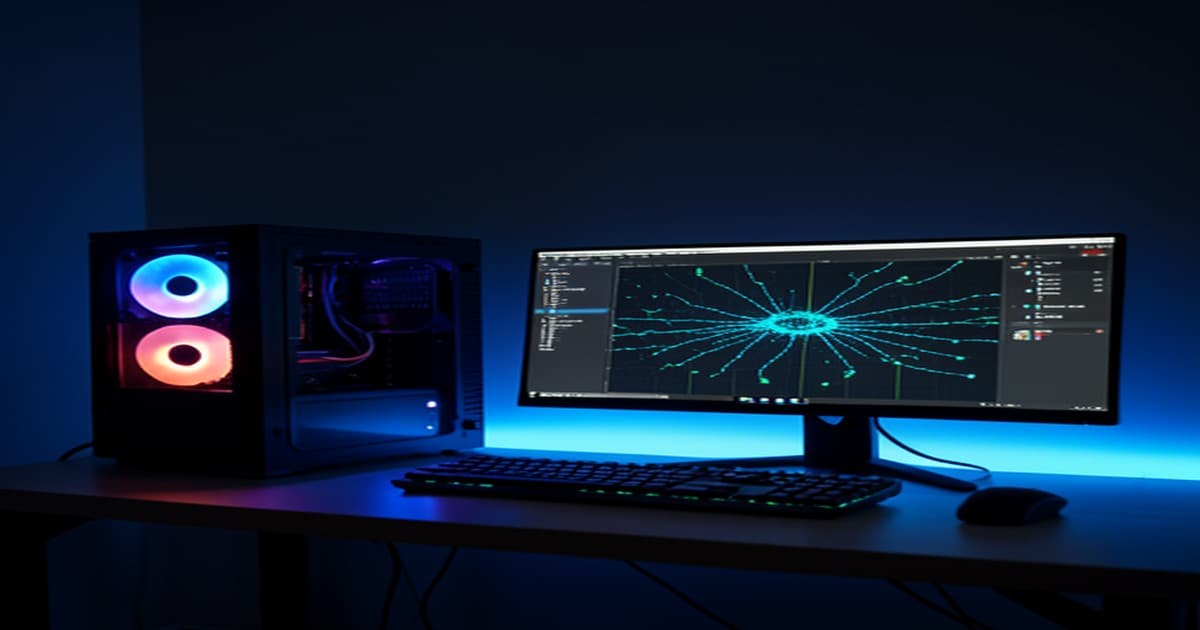
Unsloth: Run and Fine-Tune LLMs on Your Own GPU
Run Qwen, Kimi K3, DeepSeek and Gemma on your own GPU: install, VRAM guide, quickstart and honest limits of the 76k-star repo.

Agent Skills 2026: Ship Reusable AI Workflows
Stop pasting the same prompts into every session. Learn the SKILL.md standard, install community packs, and ship your first reusable agent workflow.

Stablecoin Payouts 2026: What Fintech Ships Now
Licensed stablecoin payouts went live in Sep 2026 — Confirmo in the EU, WasabiCard across 200+ countries. What builders change this week.

Gemini 3.8 Flash: Specs, Price & Quickstart
Same price as 3.7 Flash, 1M context, better agentic coding — but +30% tokens per task. Specs, honest benchmarks, and a working JS/Python quickstart.
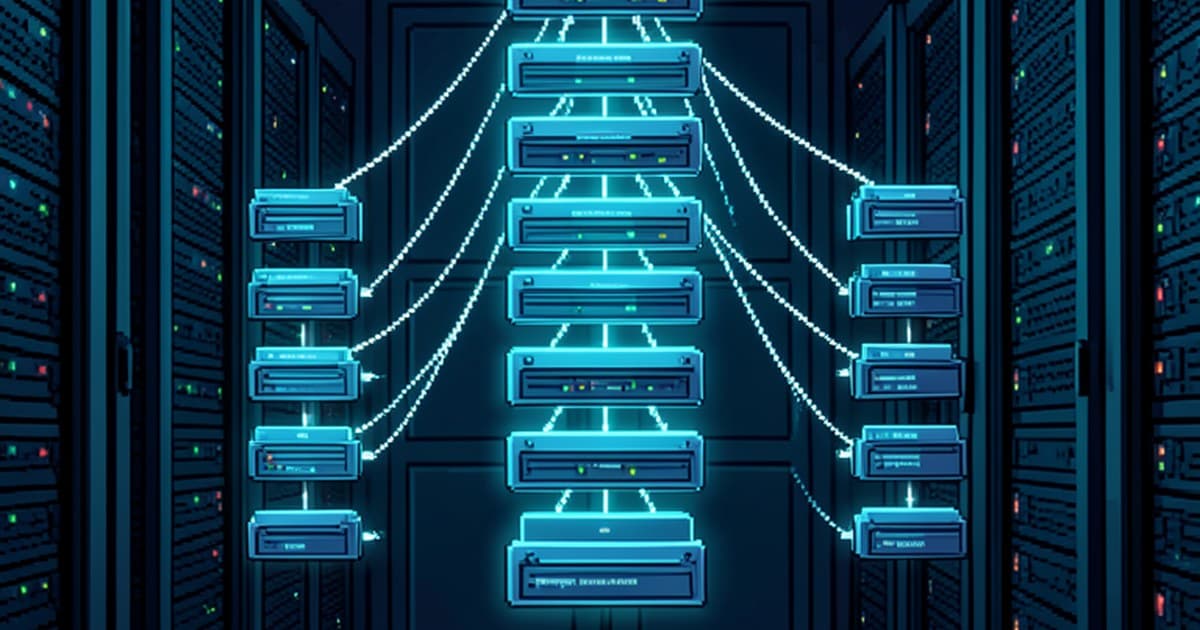
OpenViking: Memory + RAG DB for AI Agents
Volcengine's ~33K-star context database unifies agent memory, RAG and skills in one viking:// filesystem — architecture, verified quickstart, honest limits.

vLLM vs SGLang in 2026: Serve LLMs Faster
H100 benchmarks, RadixAttention vs prefix caching, and verified serve commands — when to pick vLLM or SGLang for your workload.

JetBrains 2026: 90% of Developers Now Use AI Coding Agents
JetBrains’ 2026 survey of 15,000+ devs: 90% use AI agents weekly, 68% daily. Claude Code (39%) dethroned Copilot (21%). What it means and what to do now.

Muse Spark 1.3 & Glimmer: Meta’s Double Release
Meta’s double release: closed flagship Spark 1.3 vs open-weight Glimmer 30B — specs, local quickstart, and verdict.

Kimi K3 in 2026: Frontier Open-Weight Model Guide
Moonshot AI’s 2.8T open-weight frontier: 1M context, $3/$15 API, verified quickstart.

Firecrawl: The Open-Source Scraper Every LLM Developer Should Know in 2026
Firecrawl turns any website into LLM-ready markdown with one API call — 176k stars, 4-step architecture, verified quickstart, and honest limits.

Khoj: Your Self-Hosted Personal AI Assistant
Khoj passed ~37k GitHub stars as a self-hosted AI second brain. I explain its 4-step architecture, verify the Docker quickstart, and cover when not to use it.

Open WebUI: Your Self-Hosted ChatGPT in 5 Minutes
Open WebUI is the most-starred self-hosted AI chat UI on GitHub. I explain what it is, how its architecture works in 4 steps, and how to run it with Docker.

Dify: Ship LLM Apps Without the Boilerplate
Dify has 154k+ GitHub stars as the open-source LLM app builder. Here is what it is, how its architecture works, and the verified Docker commands to run it locally.

Stagehand: The AI SDK That Controls Your Browser
Browserbase’s 24k-star MIT SDK turns Playwright-style code plus act, observe, and extract into reliable AI browser agents — here’s the architecture and a verified 5-minute quickstart.

Browser-Use: The Open-Source Repo Teaching AI Agents to Click
How Browser-Use turns an LLM into a browser operator: 112k stars, MIT license, 4-step agent loop, verified 5-minute quickstart, and when not to use it.

Mem0: The Memory Layer Your AI Agents Are Missing
Mem0 gives your AI agents persistent long-term memory with two API calls — architecture, verified 5-minute quickstart, and honest limits.

Docker GPU in 2026: Ship AI Apps with Compose
Your model runs on your GPU but dies in a container? The full 2026 setup: NVIDIA Container Toolkit, Compose GPU reservations, CUDA images, and multi-stage builds.

JWT Refresh Token Rotation in Node.js
Short-lived access tokens, rotating refresh tokens with reuse detection, and httpOnly cookies: a verified Node.js guide to production-grade JWT auth.

Next.js AI Chatbot 2026: The Streaming Tutorial
Build a streaming AI chatbot with Next.js and the Vercel AI SDK: route handler, useChat, and the production checklist.

LangGraph in 2026: Build a Support Agent That Knows When to Ask
Build a customer-support agent with LangGraph: typed state, tools, checkpointed memory, human approval via interrupt, and LangSmith tracing — verified against the current docs.

Vector Databases in 2026: pgvector vs Qdrant
When is Postgres plus pgvector enough for RAG, and when do you need Qdrant? HNSW basics, decision rules, and verified setup code.

Structured Outputs in 2026: Stop Parsing Hopes, Start Parsing Schemas
Get guaranteed-valid JSON from LLMs: OpenAI strict mode, generateObject with Zod, Anthropic strict tools, and Pydantic validation — with real, verified code.
Prompt Caching in 2026: The Cost and Latency Guide
Stop re-paying for the same system prompt every call: how Anthropic, OpenAI, and Gemini caching really work, with verified limits and copy-paste code.

RAG Chunking Strategies That Survive Production (2026)
Fixed vs semantic vs late chunking with real 2026 numbers, plus a Python recipe for chunk size, overlap and contextual retrieval.

GLM-5.3 in 2026: Benchmarks, Pricing and Setup Guide
Zhipu's GLM-5.3 is the open-weights coding flagship of 2026: 28.3 on Terminal-Bench 3.0, 66.9 on DeepSWE, 84.5% on CyberGym. Pricing and Claude Code full setup.

Mistral Medium 3.5: the Open Model for Enterprise Agents
128B open weights, 256K context, 77.6% SWE-Bench Verified at $1.5/$7.5 — spec sheet, quickstart, and honest limits.

Gemma 3 for Edge AI: Specs, Benchmarks and Quickstart
Google’s Gemma 3 and 3n bring multimodal AI to phones and edge devices — real specs, honest benchmarks, and a 5-minute Ollama quickstart.

DeepSeek V4 in 2026: Benchmarks, Pricing & API Guide
DeepSeek V4 Pro and Flash tested: 80.6% SWE-bench Verified, 1M context, MIT weights — real benchmarks, official pricing and a 5-minute quickstart.

Qwen3.8-Flash: Specs, Benchmarks, and Local Setup Guide
Qwen3.8-Flash is Alibaba's 125B MoE at 6B active with 262K context. Verified specs, benchmarks vs the 27B, pricing, and local setup with Ollama and vLLM.

Claude Fable 5.1: The 2026 Release Builders Should Ship On
Claude Fable 5.1 (Sep 2026): 1M context, $10/$50 per MTok, $0.25 cache reads, adaptive thinking. Verified specs, lab-reported benchmarks, API code, Opus guide.

The GENIUS Act and Stablecoins: What Fintech Builders Must Know in 2026
Signed July 2025, in rulemaking through 2026, effective January 2027: 1:1 reserves, licensed issuers only, no yield. What to change now.

Google AI Overviews 2026: The GEO Playbook
AI Overviews reach 2.5B users and cut clicks up to 58% — verified 2026 data plus the 5-step GEO sprint for devs and marketers.

GitHub Copilot Agent Mode: The 2026 Developer Workflow
Agent mode turns Copilot into an autonomous coding partner: what it does, what it costs in 2026, and the workflow I use to ship faster.

Chrome Built-in AI in 2026: The Gemini Nano Guide
Prompt API is stable, Summarizer and Translator ship in Chrome 138+, and Writer/Rewriter remain in trial — what runs on-device and what to build this week.

NVIDIA Rubin Chips: What AI Developers Must Know in 2026
Rubin is in full production with partner systems landing in H2 2026 — confirmed specs, NVFP4/HBM4 impact on inference, and a dev checklist.

GPT-OSS: OpenAI’s Open Model and How to Deploy It
OpenAI’s gpt-oss 120b and 20b are open-weight under Apache 2.0 — verified specs plus how to run the 20b model locally with Ollama or serve it with vLLM.

EU AI Act 2026: What Changes for Developers
Transparency duties, GPAI rules and fines are live since August 2026 — what developers shipping AI features must do this week.
Why Your AI Agent Passes the Demo and Fails in Production
Only 27% of teams run evals before every deploy. Learn how to evaluate AI agents in production with DeepEval, LangSmith, golden datasets, calibrated judges, and CI gates that block bad merges.
OpenRAG: The 100% Open Source RAG Platform by Langflow in a Single Command
Langflow just released OpenRAG, a complete open source RAG platform built on Langflow, Docling, and OpenSearch. One command to run a full document ingestion pipeline, semantic search, and AI chat — no improvised integrations.

How to Stay Updated on AI News: Sources, Tools, and Routines That Actually Work
AI moves faster than any other technology. Discover the exact newsletters to read, who to follow on X, which podcasts to listen to, and how to build a 30-minute daily routine that keeps you informed without information overload.
Gemini Embedding 2: Google's New Multimodal Embedding System Explained
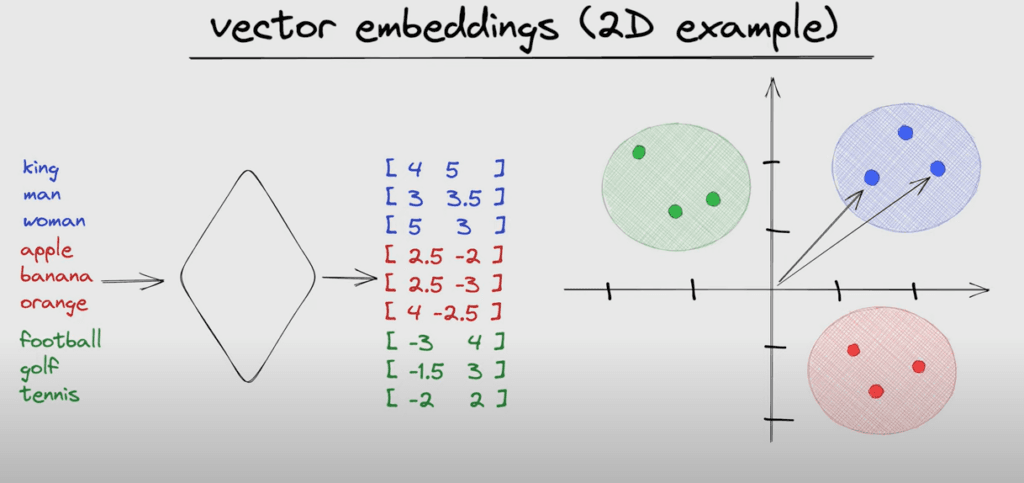
What is an embedding and why does it matter? Discover Gemini Embedding 2, Google's latest model that unifies text, images, audio, video, and PDFs in a single vector space — and what it means for semantic search and RAG pipelines.
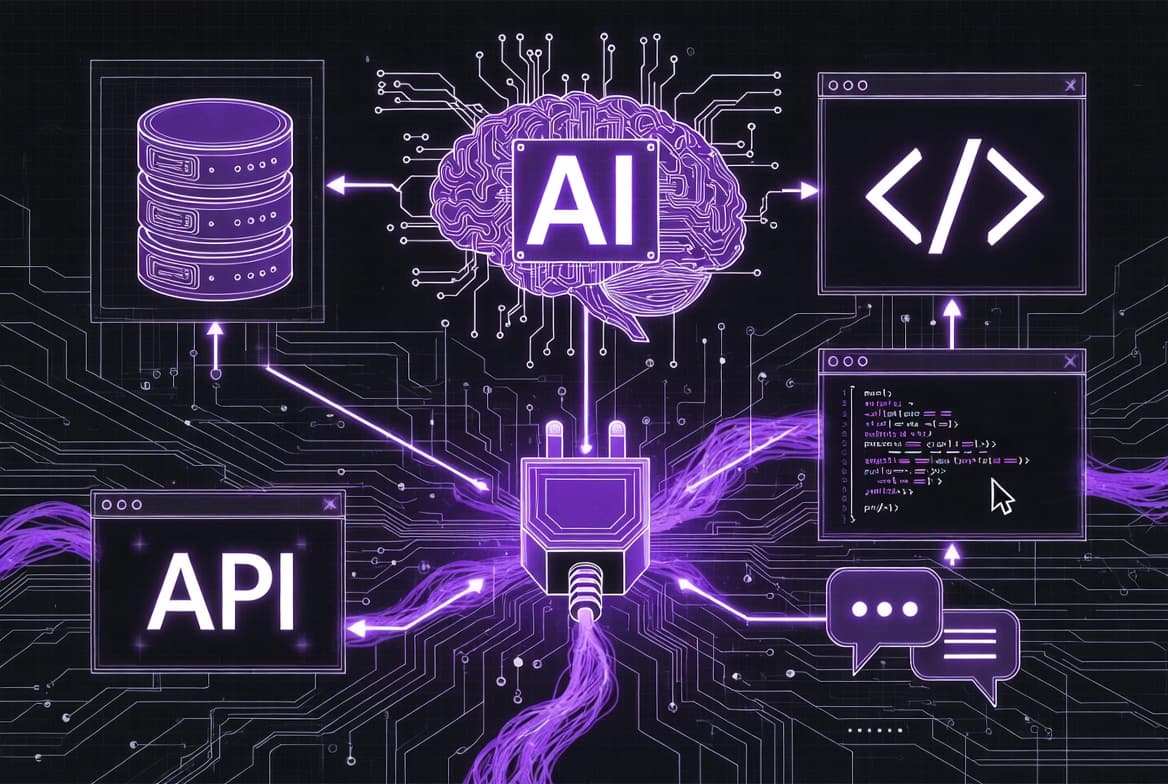
MCP Explained: The Protocol That Connects Your AI Agents to the Real World
Model Context Protocol (MCP) by Anthropic is the USB standard for AI. Learn how MCP connects AI agents to tools, databases, APIs, and development environments with a practical guide.

Vibe Coding: Why 90% of AI-Built Projects Never Make It to Production
Vibe coding was named 2025's word of the year. It's incredible for prototyping but devastating for production. Discover why 90% of vibe-coded projects fail and how to bridge the gap from AI prototype to production-ready app.

No, AI Won't Replace Developers. But Developers Using AI Will Replace Those Who Don't
84% of developers already use AI daily. The real question isn't whether AI will replace programmers, but whether you'll adapt. Discover what AI does well, what it can't do, and how to future-proof your career.
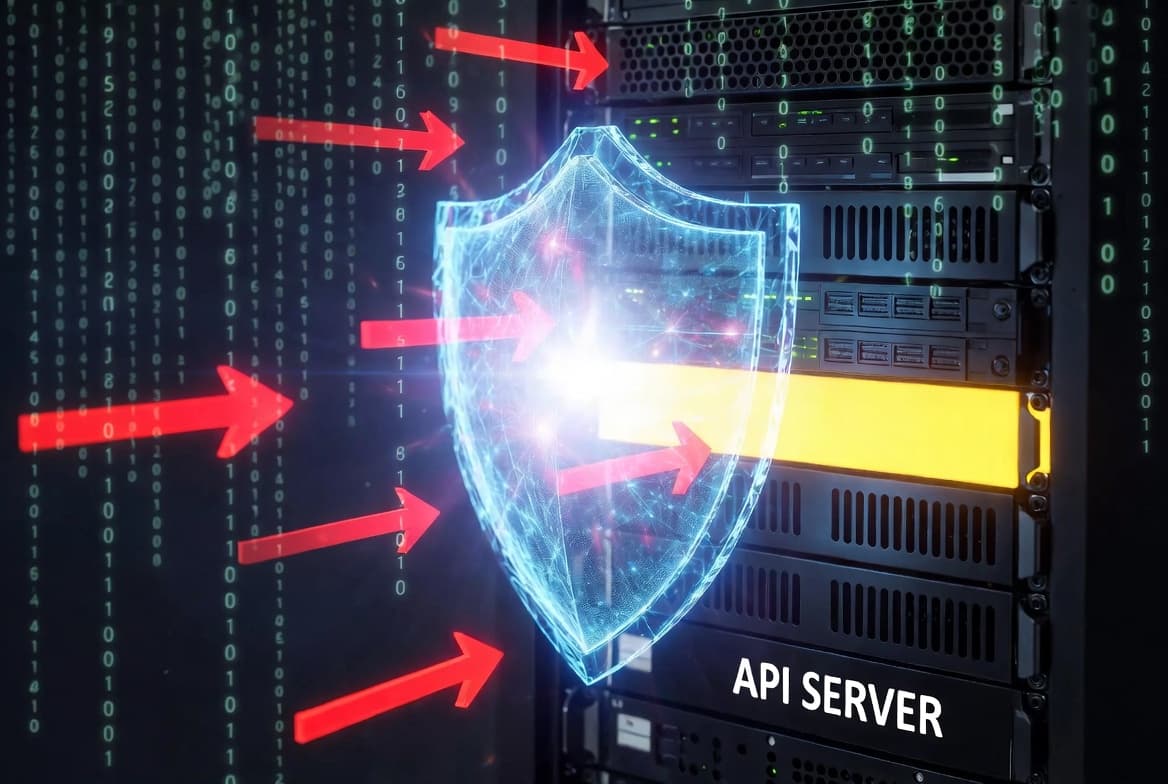
Your API Is Exposed: 5 Vulnerabilities AI Finds in Seconds That Developers Ignore
Most APIs ship to production with critical vulnerabilities. Learn the 5 most common security flaws: broken authentication, excessive data exposure, missing rate limiting, injection attacks, and broken access control, and how AI security tools catch them in seconds.

GEO: Why Generative Engine Optimization Is the Future of Online Visibility
Traditional SEO is no longer enough. Learn how Generative Engine Optimization (GEO) helps your business get cited by AI search engines like ChatGPT, Perplexity, and Google AI Overviews.
When AI Coding Goes Wrong: From Prototype to Production Nightmare
Why 80% of AI-generated projects never see production and how professional developers can rescue your stuck projects. Learn the common pitfalls and get expert help to ship your ideas.
How to Build Profitable Trading Bots in 2025: A Complete Guide
Learn how to develop algorithmic trading systems using Python, Jesse framework, and machine learning algorithms like PPO and SAC for consistent profits.

Fintech API Development: Security and Scalability
Building secure and scalable financial APIs with Node.js, implementing proper authentication, rate limiting, and compliance standards.
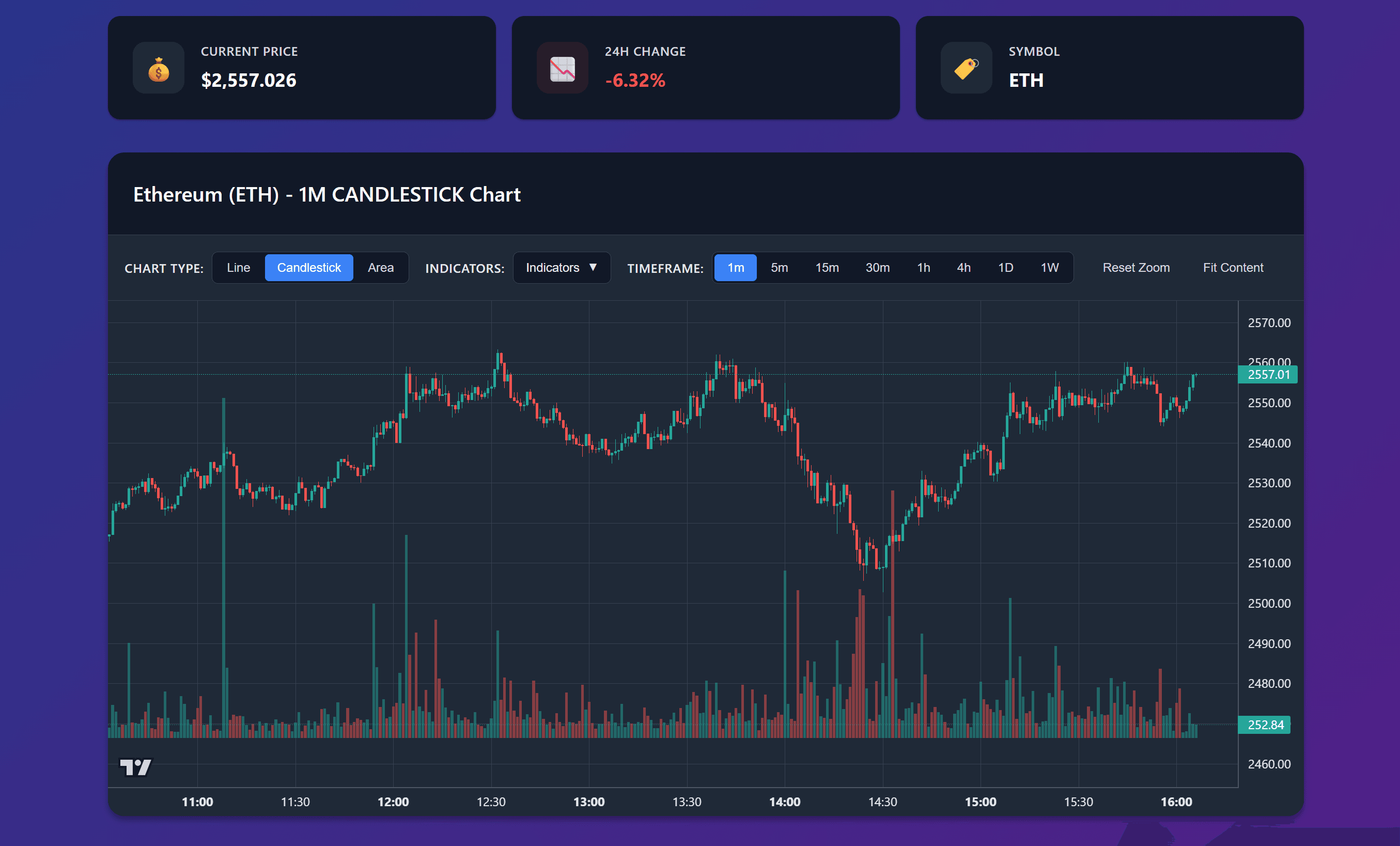
Building Professional Cryptocurrency Charts: TradingView Integration & Binance API
Complete guide to building professional cryptocurrency charting applications with TradingView Lightweight Charts, Binance API integration, and real-time data streaming.
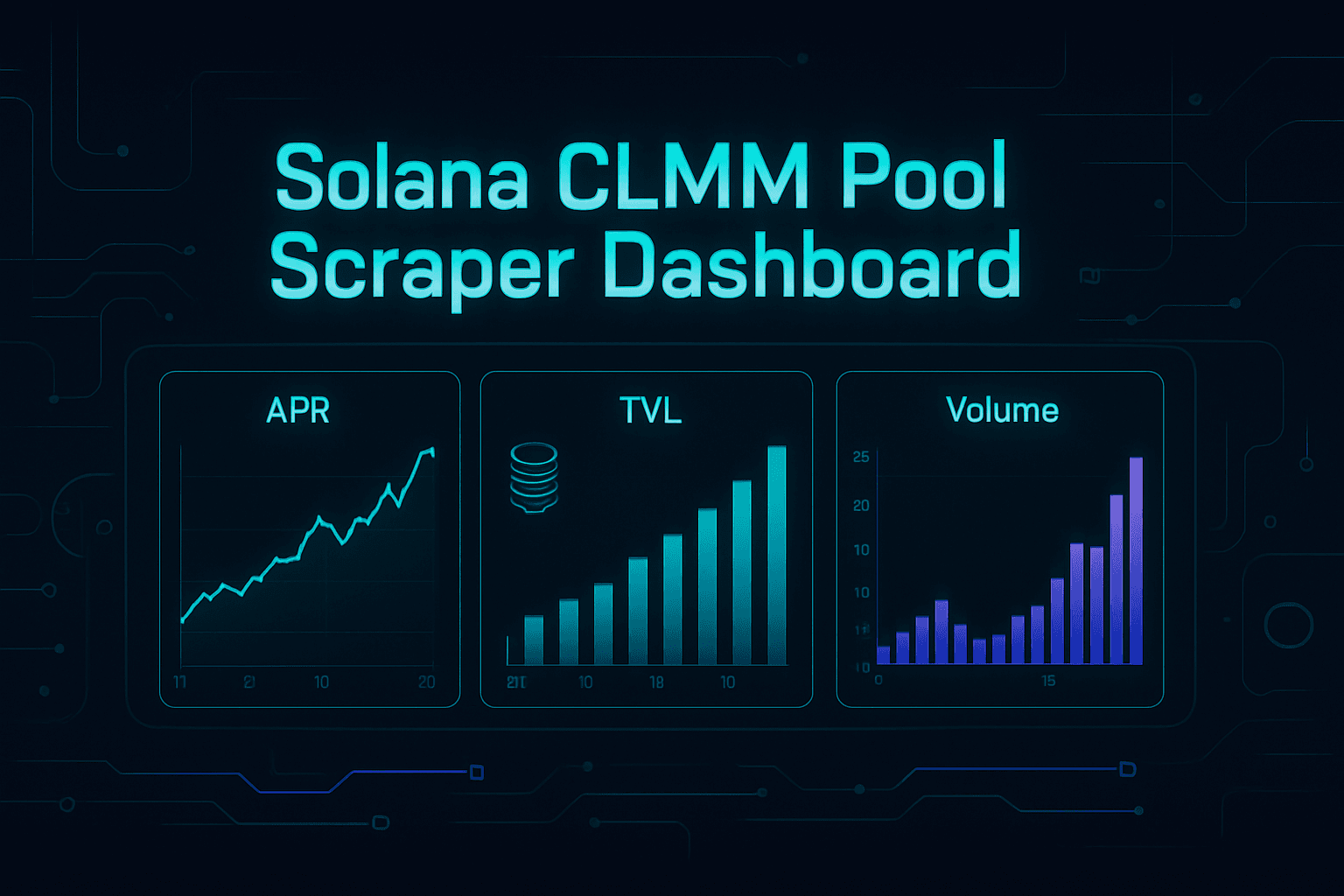
Building a DEX Pool Scanner: Analyzing CLMM Pools on Solana with Rust
Learn how to build a sophisticated DeFi analytics tool using Rust to scan and analyze Concentrated Liquidity Market Maker pools across multiple Solana DEXs like Raydium, Orca, and Meteor.
Web3 Development Best Practices for Enterprise Applications
Discover the essential patterns and security considerations when building enterprise-grade Web3 applications with React and blockchain integration.
Chrome Extension Development: From Idea to Chrome Store
Step-by-step guide to building, testing, and publishing Chrome extensions that solve real problems and generate revenue.